Google Review Widget
Ready Set Reline

Top 5 Benefits Of Sewer Pipe Relining Vs Conventional Pipe Repair

Get A Free Quote

Request A Quote

Don’t Dig, Save Your Landscape

We'll beat any comparable quote.

Ready-Set-Reline-guarantee
quality-workmanship.jpg
Quality Workmanship
sydney-wide-service
Sydney-wide Service
pipe-relining-service
Pipe Relining Specialists
Ready-Set-Reline-Image-03

Blocked drains and sewers are among the most common plumbing problems faced by home and business owners in Sydney. Often property owners take to plungers, drain rods, and chemical openers to unblock overflowing toilets and sinks. Such DIYs may offer a temporary respite to the blockages, but it usually pushes the blockage further down the pipes, escalating the issue until it comes back with a vengeance.

Sewer drain blockages, if ignored, eventually damage pipes, widening cracks and causing breakages. Recurring drain blockages must be inspected by a professional plumber who can get to the root of the issue with a CCTV drain camera inspection. It locates the source of the blockage that may be caused by accumulated dirt, debris, waste, or tree root intrusion.

Other Signs You Might Need Pipe Relining

While frequent blockages are a clear warning sign, there are other indicators your pipes may need relining:

  • Drop in Water Pressure or Flow: If you notice your water isn’t flowing as swiftly as it should, or the pressure has dipped, this could point to breaks, leaks, or stubborn obstructions inside your pipes.
  • Water Leaks or Visible Damage: Rusted or cracked pipes often lead to leaks around your property. If you spot water stains, dampness, or unexplained puddles, it’s time to have your pipes checked for underlying damage.
  • Persistent Unpleasant Odours: A foul smell wafting from your drains can be more than a nuisance—it’s often a sign that waste, debris, or even stagnant water is trapped and building up inside compromised pipes.

Staying alert to these clues, alongside recurring blockages, can save you from bigger headaches down the line. Pipe relining is often the most effective remedy, restoring your pipes’ integrity without the mess and cost of full replacement.

At this stage if you’re already calculating the thousands of dollars you will need to replace or repair damaged sewer pipes, then you can relax. Now you have an affordable alternative to broken and leaking pipes with the no-dig sewer pipe relining technology!

This technology gives you a perfectly repaired sewer without excavation at half the cost of traditional pipe replacement. From repairing isolated sections of your sewer pipes to pipe rehabilitation for old and worn-down pipes, it’s the best solution for damaged sewer pipes.

When Should You Consider Pipe Relining?

Pipe relining isn’t just for major disasters—it’s a smart solution for a range of common plumbing woes. Here’s when you should keep it on your radar:

  • Persistent Low Water Pressure or Slow Drains: If your water isn’t flowing as swiftly as it should, or the pressure has taken a nosedive, you could be facing hidden pipe breaks, leaks, or stubborn obstructions. These are classic signs your pipes may need relining.
  • Visible Water Leaks or Property Damage: Notice unexplained water stains, damp patches, or sudden leaks? Rusted or cracked pipes may be struggling to hold water, making pipe relining a highly effective remedy.
  • Unpleasant Odours: A foul smell wafting up from your drains can signal waste and debris buildup inside cracked pipes. If your nose wrinkles every time you pass the bathroom, it’s time for a professional inspection and possibly relining.
  • Tree Root Intrusion: In leafy suburbs like Sydney’s North Shore or the Inner West, tree roots are notorious for sneaking into underground pipes, causing blockages and cracks that relining can repair without digging up your garden.
  • Pre-Sale Property Prep: If you’re planning to sell, relining your pipes ensures they’re in top shape, boosting your property’s appeal and value to savvy buyers (who don’t want any nasty surprises after settlement).

By addressing these early warning signs and opting for trenchless pipe relining, you can avoid the disruption, mess, and expense of full-blown pipe replacement. It’s a modern fix for an age-old problem—saving you time, money, and plenty of headaches.

Whether you’re facing a minor crack that needs just a small patch or require relining for an entire sewer or stormwater drain, this technology is remarkably versatile. Pipe relining isn’t limited by location or size—it’s effective for both small jobs and large-scale repairs, even on hard-to-access drainpipes tucked away on your property.

What is Sewer Pipe Relining?

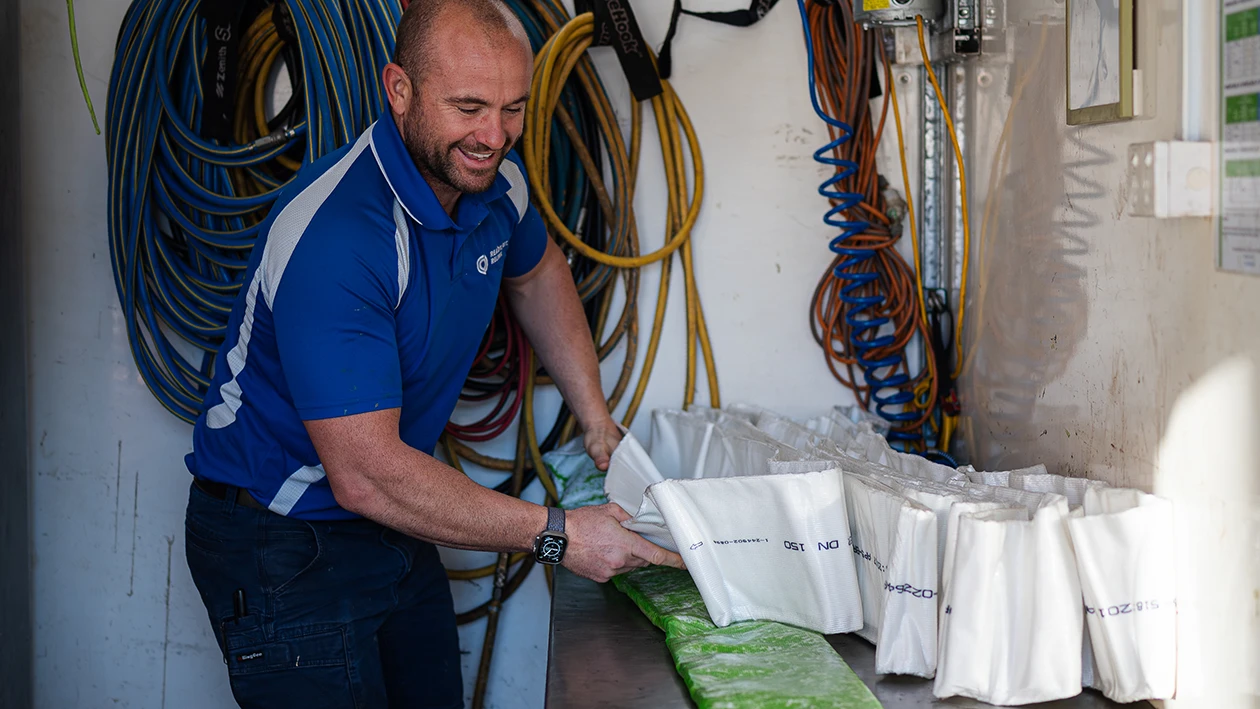
Sewer pipe relining involves creating a new pipe inside your old one by inserting an epoxy-soaked liner. The liner hardens and sets, covering the leaks and breakages to give you a fully repaired drain pipe 4 times stronger than PVC.

How Does Sewer Pipe Relining Work?

The process is surprisingly straightforward but must be handled by a licensed, fully-trained professional to ensure a long-lasting result. Here’s how the typical pipe relining journey unfolds:

Inspection:
A CCTV drain camera is first sent down your pipes to pinpoint the exact source and location of the problem—be it a stubborn blockage, cracks, or tree root intrusion.

Drain Clearing:
Once the culprit is identified, high-pressure water jets or other pipe-clearing tools are used to remove debris and obstructions. A second inspection ensures the pipe is spotless, which is essential for a strong bond with the new liner.

Relining Preparation:
A felt liner is saturated with a special epoxy resin. This resin is the magic ingredient that will form your new, ultra-durable pipe within the old one.

Insertion:
Using a specialised inversion drum, the resin-soaked liner is carefully blown through the damaged pipe. As it unrolls, it’s inverted to fit perfectly along the internal walls.

Curing:
The liner is left to cure—either at room temperature or with the help of hot water or steam. As it hardens, it forms a seamless, watertight barrier inside your existing pipe.

Finishing Touches:
Any junctions or inspection pits that have been covered by the new liner are cut out and cleared, restoring full function to every branch and connection.

Final Inspection:
A last camera check confirms that the relined pipe is smooth, strong, and leak-free—ready to serve your home or business for decades to come.

As long as the pipe’s outer shell is intact, and the water flow function is not disrupted, sewer pipe lining provides the most effective solution to repair damaged drain pipes. When the pipe is crushed, broken, or has shifted away from the main line, excavation and pipe replacement are more feasible.

When Is Pipe Relining Suitable?

It’s important to note, however, that pipe relining is not suitable for every situation or pipe type. This technology is typically best for smaller-diameter pipes and cases where the damage is limited to cracks, leaks, or tree root intrusion—essentially, as long as the pipe retains its basic shape and structure. If a pipe has severe damage, extensive deformities, or has collapsed entirely, relining may not be possible and traditional replacement may be required.

What Types of Pipes Can Be Relined?

Modern pipe relining products are impressively versatile. They’re designed to bond effectively with PVC, clay, concrete, and cast-iron pipes, making them suitable for both sewer and stormwater systems. As long as the existing pipe hasn’t lost its shape or shifted out of alignment, relining technology can rehabilitate the line quickly and with minimal disruption to your home, garden, or driveway.

By understanding both the strengths and limitations of pipe relining, you can make an informed decision about the most effective and affordable solution for your property’s needs.

What Can Go Wrong With Poor Pipe Relining Installation?

While sewer pipe relining is an innovative solution, it’s not without its pitfalls if installed incorrectly. Shoddy workmanship or improper installation techniques can create new problems, such as:

  • Liners that don’t adhere properly may slip out of position or bunch up, leading to a reduced pipe diameter. This can restrict the flow of wastewater and cause your newly relined pipes to clog or back up—essentially trading one blockage for another.
  • Gaps or wrinkles in the liner can become weak points, allowing leaks to persist or even inviting roots back into the pipe.
  • Poorly cured epoxy or incorrect measurements may compromise the strength and lifespan of the repair, meaning you won’t enjoy the long-term benefits relining promised.

Ultimately, the success of pipe relining depends greatly on the skill and precision of your plumber. Proper installation ensures a seamless, fully functional new pipe within the existing structure—without new headaches down the track.

Are There Any Limitations to Pipe Relining?

While pipe relining technology is a game-changer for most damaged pipes, it does have its limitations. If the damage is too extensive—such as large internal gaps, severe misalignment, or major sections missing—the liner simply can’t mould itself into a stable structure. In these cases, a traditional dig-and-replace method is unavoidable.

For pipes with only minimal damage or smaller isolated gaps, a process known as pipe patching can be used. Pipe patching targets specific trouble spots, sealing them without the need for full relining or invasive excavation. This makes it a practical option for localised repairs when the rest of the pipe is still in good condition. 

When Is Drain Replacement Difficult or Impossible?

While digging up and replacing damaged drains is sometimes necessary, there are many scenarios where this approach is either highly impractical or outright impossible. The challenges usually come down to location and accessibility.

For instance, if your damaged pipes run beneath permanent structures—think homes, garages, commercial buildings, or even your precious backyard oasis—getting to them means disrupting these spaces. It’s not just buildings that pose an issue; pipes under driveways, garden beds, patios, or swimming pools are equally problematic. Excavating in these spots isn’t just a logistical headache—it often means major upheaval, significant repair costs, and lengthy downtime.

Even when you technically can dig, the practical difficulties quickly add up:

  • Depth: Sewer lines often sit more than two metres below ground, requiring deep and wide trenches.
  • Space Constraints: Tight access means you might not be able to get an excavator onto the property, forcing costly and time-consuming manual digging.
  • Restoration Needs: After the pipes are replaced, you’re left to restore everything above—gardens, lawns, pavement, or even structural foundations—which can rival the cost of the pipe replacement itself.

These barriers are a big reason why modern, trenchless solutions like sewer pipe relining have become the go-to choice for so many property owners. They let you fix pipes without the mess and stress of traditional excavation.

What Costs Are Associated with Traditional Pipe Repair Methods?

If you’re weighing up whether to dig up old drains or go trenchless, it pays (quite literally) to consider all the hidden expenses that come bundled with conventional excavation. Traditional pipe replacement is rarely just a matter of “swap out the old and pop in the new”—there’s a whole raft of costs that property owners often discover after the first shovel hits the ground.

Let’s break down where the dollars really go:

  • Labour Overload: Excavation isn’t exactly a quick weekend DIY. It often demands a sizeable crew working long hours—sometimes days—just to expose and replace the pipes. This translates to a hefty bill for wages and time on site.
  • Heavy Machinery Hire: Accessing deeply buried pipes? Bring in the diggers and earth-movers. Hiring these machines (and the people certified to run them) adds another layer to your total investment.
  • Materials and Fittings: Pipe materials aren’t all created equal—PVC, concrete, copper, or HDPE all come with different price tags. The total cost quickly rises depending on the length of pipe required, plus any connectors or fittings needed to tie the new line into your existing system.
  • Council Permits: Excavation, especially near public land or shared walls, almost always demands official paperwork. Council permits come with both application fees and inevitable waiting periods.
  • Restoration and Repairs: After the pipes are replaced, what about everything you had to tear up to reach them? Restoring driveways, landscaping, patios, or even the floors and walls inside the home can rival the cost of the plumbing itself.
  • Alternative Accommodation: In situations where pipework runs under homes, apartments, or commercial buildings, you may end up needing temporary accommodation—or relocating multiple people—while essential services are out of action.

All things considered, the true price tag of traditional dig-and-replace jobs often stretches well beyond the initial plumbing quote. For many, it’s the added expenses and disruption that tilt the scales in favour of more modern, trenchless pipe relining solutions.

Why Should Pipe Relining Only Be Done by Licensed Professionals?

While pipe relining offers an excellent, long-lasting fix for damaged sewer pipes, it’s not a job for just any handyman with a toolkit. Relining requires specialised skills, advanced equipment, and a trained eye to ensure the process is carried out safely and correctly. Mistakes during installation—like improper liner placement or using the wrong materials—can lead to leaks or even necessitate costly future repairs.

Licensed professionals bring technical expertise and follow strict industry standards to get the job done right the first time. By choosing a certified pipe relining specialist, you not only protect your plumbing system but also ensure that your investment in trenchless technology delivers all its promised benefits.

What Regulations Govern Pipe Relining Work in Australia?

Pipe relining isn’t just about technique—it’s governed by strict regulations to keep your plumbing safe and up to code. In Australia, all pipe relining falls under regulated plumbing work. This means that only licensed plumbers are legally permitted to carry out these repairs.

The relevant rules come from the Plumbing Code of Australia and the Australian Standard AS/NZS 3500 Plumbing and Drainage series. These standards set out specific methods and safety requirements for materials, installation, and ongoing performance, making sure relined pipes will stand up to daily use.

Attempting DIY relining or hiring an unlicensed handyman isn’t just risky—it can lead to insurance headaches or even legal penalties if something goes wrong. To stay on the right side of the law—and protect your home—always use a licensed professional who knows the national standards inside out.

Is Drain Relining Covered by a Warranty?

Absolutely. One of the big draws of professional drain relining is the robust warranty that typically comes with it. Most reputable pipe relining specialists back their workmanship with long-term guarantees—often up to 50 years. This isn’t just a marketing gimmick; it’s a testament to the durability of the relining technology and materials.

For homeowners and businesses alike, this means peace of mind. If any issues related to the relined section crop up down the line, the provider will address them—usually at no extra cost—within the warranty period. Of course, the warranty’s length and terms may vary depending on the company and specific product used, so always ask your chosen professional for full details before moving ahead.

With such comprehensive coverage, you can rest easy knowing your newly relined pipes are protected for decades, offering both immediate repair and long-term assurance.

How Long Does Sewer Pipe Relining Take?

One of the biggest advantages of sewer pipe relining is the speed of the process. In most residential and small commercial cases, the entire relining procedure can be completed in a single day. This means you won’t be dealing with ongoing disruptions or long-term mess. Once the new liner is inserted and cured, your pipes are ready for use—no waiting around for days on end like with traditional excavation and replacement methods. This quick turnaround gets your plumbing back to normal faster, so you can get on with your day.

What is Pipe Patching—and When is it the Best Option?

While pipe relining is a powerful solution for many damaged drains, it isn’t always suitable for every scenario. If a sewer pipe has major internal gaps or sections that have collapsed, relining might not be possible because the liner can’t form a stable structure.

But what happens when the damage is less severe? That’s where pipe patching steps in. Pipe patching is ideal for pipes that have minor cracks, holes, or small gaps. Instead of lining the entire pipe, the repair focuses just on the problematic section. A resin-soaked patch is positioned over the damaged spot and allowed to harden, sealing the issue without the need for digging or replacing the whole pipe.

In short, pipe patching is a targeted fix for localized damage—quick, cost-effective, and designed to keep your drains flowing smoothly without major disruption.

Why Get Trenchless Pipe Repair For Your Sewer Pipes?

1. A Permanent Solution for Damaged Pipes

Relining sewer pipes offers a permanent solution to repair broken or leaking pipes. It has a life expectancy of 50 years, giving newly reinforced pipes at half the cost of new pipe replacement. Pipe rehabilitation gets rid of recurring drain blockages caused and leakages caused by holes, cracks, and tree root intrusion.

2. No Need For Expensive Excavation

Pipe relining technology is trenchless. The pipes can be accessed via the drain opening, a manhole, or a small temporary opening that can be closed after the work is completed. That means there’s no need for expensive excavation equipment and thousands of dollars in labour costs to reach the underground pipes.

Environmental Benefits of Pipe Relining

Pipe relining doesn’t just spare your backyard from becoming a construction site—it’s also a win for the environment. Traditional pipe repairs often require heavy excavation, turning your lawn or driveway into a temporary dig site and disrupting trees, plant life, and local habitats in the process. All that machinery and soil removal can add up to more than just a headache—there’s genuine environmental impact involved.

Thanks to its trenchless nature, pipe relining keeps digging to a minimum. Instead of uprooting half your property, this method works through existing access points, leaving gardens, pathways, and root systems largely untouched. That means you preserve soil structure, protect mature landscaping, and avoid displacing any local wildlife in the process.

There’s another eco-friendly perk: relined pipes are built to last, significantly reducing the need for future repairs or replacements. Fewer repair jobs means less waste sent to landfill and a drop in raw materials used for manufacturing new pipe sections—keeping both emissions and landfill contributions lower over the life of your pipes.

In summary, pipe relining is a smarter choice that gives your plumbing a second life while treading much lighter on the environment.

Reduced Soil Erosion

One often-overlooked benefit of sewer pipe relining is its positive impact on soil stability. Because the trenchless process doesn’t involve extensive digging, it leaves the surrounding soil structure intact. Contrast this with traditional excavation, where tearing up large sections of lawn, garden beds, or pathways inevitably loosens and exposes soil.

By skipping the heavy machinery and open trenches, relining helps prevent soil from being washed away by rain or spreading as dust around your yard. This means you’re less likely to see the tell-tale signs of erosion—patchy grass, uneven surfaces, or muddy runoff entering storm drains and eventually harming local waterways. In short, relining helps keep both your property and the broader environment healthier and more stable.

Reduced Soil Contamination

Minimising soil contamination is another big win for pipe relining. Traditional digging methods can draw out the repair process, giving leaking wastewater more time to seep into the surrounding earth. This not only risks unpleasant smells but can also pose significant health hazards to your household and the local environment.

With trenchless relining, repairs are completed quickly—often within a single day—dramatically reducing the window for contaminated water to escape. By sealing off damaged sections internally and restoring pipe integrity in a fraction of the time, relining helps keep your soil, garden beds, and property safe from pollution. The result? Cleaner surroundings, healthier outdoor spaces, and less risk of wastewater reaching groundwater supplies or nearby plants.

3. Improved Functionality

When the existing sewer pipes are relined, it creates a smooth surface that fills in all the gaps and cracks, providing improved functionality and durability. It minimises the chances of root intrusion, leaks, and blockages for a longer period, improving water flow and performance.

A key advantage of this process is its ability to stop tree roots in their tracks. Tree roots are naturally drawn to the moisture inside pipes and are notorious for infiltrating tiny cracks or joints, leading to blockages and costly repairs down the line. With relining, a seamless and watertight barrier is formed inside the old pipe, effectively sealing out roots and other sources of intrusion. This not only repairs existing damage but also acts as a long-term safeguard against one of the most common causes of sewer pipe problems.

Relined pipes are far less susceptible to future root-related damage, so you can enjoy greater peace of mind—especially if your home is surrounded by mature trees or lush landscaping.

4. Cheaper Than Conventional Pipe Repair

Convention pipe replacement is costly and time-consuming. While the actual replacement process may be cheaper than the pipe relining equipment, the labour and excavation cost alone is double that of the entire pipe relining process. It also does not include the damage to your gardens, yards, pavement, and driveway.

Pipe rehabilitation is not only quick but a more economical and long-term solution to pipe repair and replacement.

5. A Complete Repair Solution

Trenchless sewer pipe repair is versatile and flexible. It can be done on lateral, horizontal, and vertical pipes and isolated sections or patches with junction and joint repair. Pipe relining technicians use state-of-the-art technology like robotic cutters, CCTV cameras, and hydro drain jets to cut through obstructions and prepare a smooth surface for the relining process.

The Pipe Relining Process: Step by Step

Before any relining can begin, the process starts with a detailed inspection of the damaged pipe using a drain camera. This inspection lets the technician assess the full extent of the damage and select the most effective repair method. After pinpointing trouble spots, the pipe is meticulously cleaned—grease, oil, and debris are blasted away with a high-pressure hydro-jetter to ensure the lining will adhere correctly. Proper cleaning is crucial; any residue left behind can prevent the resin from bonding, resulting in uneven linings or future issues in the newly repaired pipe.

Throughout the process, professional technicians keep homeowners informed at every step. After diagnosing the problem, they’ll typically present a clear explanation of what’s causing the issue, whether it’s a persistent leak or a stubborn blockage. You can expect them to walk you through the available options, sometimes providing multiple quotes to suit your needs and budget. This transparency helps you make confident decisions about your home’s plumbing.

Once the work is complete, reputable teams will also explain exactly what was fixed and how the repair was carried out, ensuring you understand the improvements made. This combination of inspection, thorough cleaning, and advanced equipment ensures a reliable, long-lasting repair—without the mess or hassle of traditional pipe replacement.

Boosting Property Value Before Sale

Considering pipe relining before putting your property on the market is a smart move. Ensuring your pipes are in top condition can help you avoid surprises during pre-sale inspections and provide peace of mind to potential buyers. No one wants to discover hidden plumbing issues when they’re about to make a big investment!

A newly relined sewer system is a strong selling point, showing that your home has been properly maintained and reducing the risk of future problems for the new owners. In fact, investing in trenchless pipe repair can actually enhance your property’s value—prospective buyers are more likely to pay a premium for a home where essential infrastructure like sewer lines has already been upgraded and guaranteed to last.

By relining your pipes ahead of time, you position your property as a trouble-free, ready-to-move-in option that stands out in the competitive Sydney real estate market.

Sewer Pipe Relining Specialists Sydney

Ready Set Reline are Sydney’s leading pipe relining experts. We use the latest Brawoliner pipe relining technology compliant with Australian Standards for flawless and long-term results. If you’re looking for reliable sewer pipe relining services near you, get in touch with us for quality services that guarantee satisfaction.

Ready-Set-Reline-element-2

If you’re looking for reliable and trusted pipe relining services in Sydney

get in touch with us today.