




Know Your Pipes: Your Home, Your Responsibility
In the realm of plumbing and pipe maintenance, the evolution of repair techniques has significantly reduced the disruption and cost associated with traditional repair methods. Among these modern solutions, pipe patch repair stands out as a highly efficient, minimally invasive technique designed to address localised pipe damage. This method has gained popularity for its ability to quickly fix pipes without the need for extensive excavation or complete pipe replacement.
In this blog, we’ll delve into the intricacies of pipe patch repair, exploring its benefits, the process involved, and why it’s becoming the go-to choice for both residential and commercial property owners.
Why Timely Pipe Repairs Matter
Addressing a leaking pipe as soon as possible is critical—not just for your peace of mind, but for your wallet and your property. Even a small leak can escalate into costly water damage, encourage mould growth, or weaken structural elements of your home.
Letting a leak linger often leads to:
- Increased water bills from wasted water,
- Potential damage to flooring, walls, or even foundations,
- Higher repair costs down the line as minor issues become major problems.
But it’s not just about visible drips under the sink or the odd puddle on the floor. Broken or compromised pipes can also lead to poor water quality, unexplained drops in water pressure, foul odours seeping from your taps, or even gurgling toilets. If you have mature trees growing near your pipes, their roots may be seeking out water, causing cracks or blockages that only worsen over time.
In short, prompt repairs keep things manageable and help you avoid the headaches of a much larger plumbing catastrophe. Spotting issues early—whether it’s a strange smell, a noisy toilet, or suspiciously lush grass over your pipes—can make all the difference between a simple patch and a full-scale plumbing disaster.
Spotting the Signs of Damaged Pipes
So, how do you know if your pipes are quietly causing trouble behind the scenes? While some issues are obvious—a sudden puddle under your sink is hard to ignore—others can be a bit more stealthy. Watch for these telltale warning signs that your pipes might need attention:
- Unexplained drops in water pressure: If your showers or taps are suddenly more of a drizzle than a downpour, it could indicate a crack or blockage in your line.
- Discoloured or rusty water: Brown or yellowish water coming from your faucets often means corrosion inside your pipes.
- Strange odours: Persistent foul smells coming from your drains or tap water may signal a hidden leak or a break allowing contamination.
- Gurgling noises from toilets or drains: Unusual sounds when water drains away can point to cracks or obstructions lurking in your pipes.
- Frequent need for plumbing repairs: If you’re regularly calling the plumber, it could be a sign of ageing or compromised pipes—patching one leak only for another to crop up is a classic clue.
- Signs of water damage: Damp spots on walls or ceilings, peeling paint, or even areas of unexpected lushness in your garden (hello, mystery tree!) can all point to underground pipe leaks.
If you notice any of these red flags, it’s wise to consult a professional plumber before a small nuisance turns into a major headache.
Warning Signs Your Pipes Need Attention
Of course, not all pipe issues involve dramatic leaks or obvious water stains. Sometimes, your home whispers for help long before things get catastrophic. Here are a few red flags to keep an eye out for:
- Frequent Repairs: If you find yourself calling the plumber more often than you’d like, or constantly tackling recurring issues, your pipes might be nearing the end of their service life.
- Escalating Problems: Are minor fixes snowballing into major hassles? That’s often a clue that underlying pipe conditions are deteriorating—patching up one problem only for another to pop up elsewhere.
- Rusty or Discoloured Water: Notice brownish water coming out of your taps? Discolouration often signals corrosion inside your pipes. Over time, this can lead to both water quality concerns and accelerated pipe failure.
- Visible Corrosion or Stains: Keep an eye on exposed pipes for greenish stains (from copper oxidation), flaking, or dimpling. These can all point to weakened pipes on the brink of trouble.
- Reduced Water Pressure: Sudden or gradual drops in water pressure can indicate hidden leaks or accumulating buildup, narrowing your pipes.
Early detection is your best defence. Recognising these warning signs can help you catch issues before they spiral, making minimally invasive solutions like pipe patch repair a proactive choice instead of a last resort.
Spotting Trouble: When to Call in the Pros
If you’re noticing warning signs like murky water, unexplained drops in water pressure, odd smells coming from your taps, or toilets that bubble and gurgle, take them seriously. These symptoms often point to issues lurking within your pipes—think leaks, blockages, or even root intrusion from nearby trees.
Attempting a quick fix might be tempting, but plumbing issues rarely resolve themselves. Your best bet? Contact an experienced, licensed plumber as soon as possible. They can:
- Pinpoint the source of the issue with diagnostic tools (like CCTV drain cameras),
- Offer targeted solutions tailored to your specific problem,
- Prevent further damage—and bigger headaches—down the track.
Remember, staying proactive not only protects your property but also saves money and hassle in the long run.
Pipe Repairs and Water Conservation: An Environmental Perspective
It’s easy to forget that every drop counts, but the plumbing decisions you make can have a direct impact on water conservation—and, by extension, the environment. Timely pipe repairs, especially with efficient techniques like patching, don’t just protect your property; they stop precious water from being lost, unnecessarily driving up your bills and straining local resources.
Leaking pipes can waste hundreds of litres of water over time, which not only affects your bank balance but also contributes to broader environmental issues. By swiftly fixing leaks, you reduce water wastage and help ease demand on municipal water systems—a win for your household and your community.
Incorporating water-saving practices alongside proactive pipe maintenance strengthens your home’s green credentials. Pairing efficient repairs with water-wise habits—think low-flow fixtures or rainwater tanks—multiplies the benefits:
- Less water lost to leaks means less demand for energy-intensive water treatment.
- Preventing leaks protects against mould and water damage, improving indoor air quality.
- Reducing overall water consumption helps conserve local wetlands and river systems, supporting biodiversity.
Ultimately, your commitment to prompt plumbing repairs complements efforts to create a more sustainable, environmentally conscious home.
In short, prompt repairs keep things manageable and help you avoid the headaches of a much larger plumbing catastrophe.
The ABCs of Effective Pipe Patch Repair
Pipe patch repair is a targeted approach to fix specific areas of a pipe that have been damaged due to cracks, breaks, or holes. Unlike traditional repair methods that often require digging up large sections of pipe, pipe patch repair involves inserting a patch – typically made of fibreglass or a similar durable material – into the damaged section of the pipe. This patch is then secured and sealed in place, effectively repairing the pipe from the inside out.
Pipe Patching vs Pipe Relining: What Sets Them Apart?
When it comes to repairing your pipes, you might be wondering whether pipe patching or pipe relining is the better fit. The main difference lies in the scale of the issue being addressed.
- Pipe patching is ideal for tackling small, localised problems like isolated cracks or holes. Think of it as a spot treatment for your pipes—precise and efficient, perfect for damage that’s limited to a specific area.
- Pipe relining, on the other hand, is suited for situations where a larger section of the pipe has been compromised. This method essentially lines the inside of a longer stretch of pipe, creating a new, seamless inner wall to restore overall integrity and flow.
In essence, pipe patch repair is the choice for targeted fixes, while pipe relining comes into play when you’re facing broader, more widespread pipe deterioration. Both methods are designed to minimise disruption to your home, keeping repairs neat, swift, and cost-effective.
How Pipe Patch Repair Works
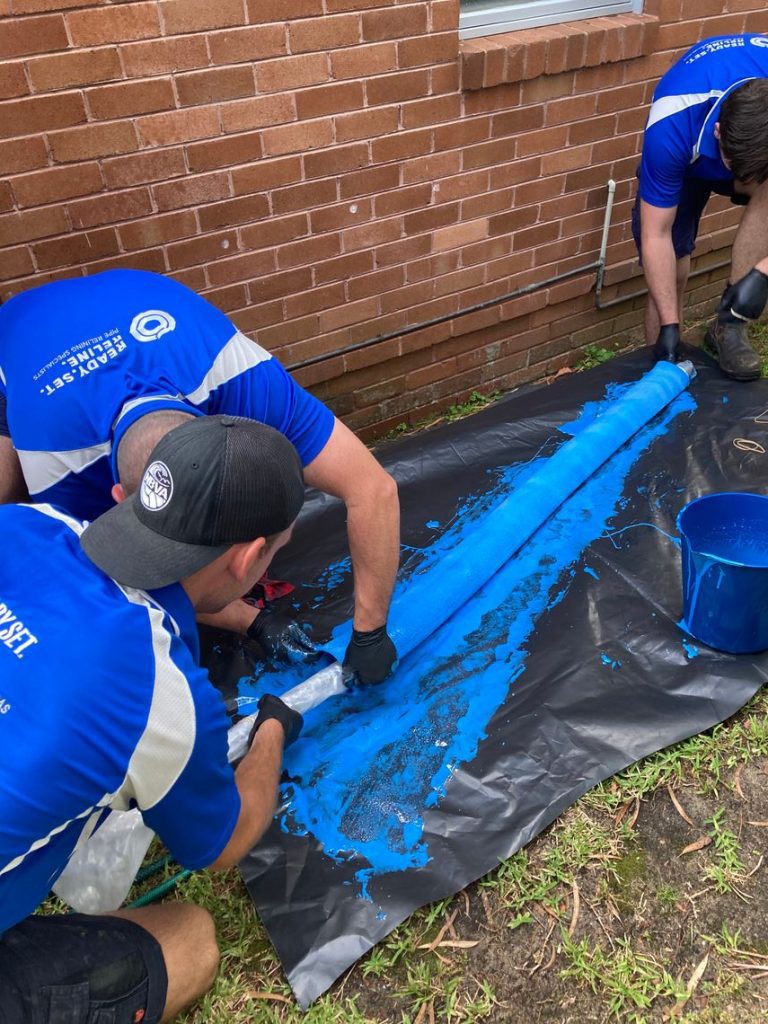
The process starts with a thorough inspection, usually using a specialised drain camera, to pinpoint the exact location and extent of the damage. Once identified, the pipe is cleaned and prepped to ensure the patch adheres properly. The fibreglass patch, soaked in a high-strength resin, is then positioned over the damaged area using an inflatable bladder or similar device. The patch is pressed firmly against the pipe’s interior wall and left to cure, creating a seamless, watertight seal.
Types of Issues Addressed
Pipe patch repair is ideal for dealing with:
- Small holes or cracks caused by corrosion or a minor impact
- Isolated leaks that don’t require full pipe replacement
- Damage from root intrusion or general wear and tear
Often, damage to your pipes isn’t spread throughout the entire line—it’s confined to one or more specific sections. These issues can be the result of shifting soil, invasive tree roots, or even a sudden knock from nearby construction. That’s why an initial inspection—typically using a drain camera—is so important. By carefully scoping the pipe and asking a few targeted questions about your plumbing history, professionals can pinpoint the problem area and determine whether a patch repair is the best solution.
When the inspection reveals that only a section of pipe is compromised, pipe patch repair (also known as sectional pipe repair) offers a trenchless fix. Using a fibreglass patch and a high-strength resin, the repair targets just the damaged area—no need to dig up the whole yard or replace an entire length of pipe. The patch is fitted into place, allowed to cure, and then the specialised equipment is removed, leaving behind a seamless, watertight seal.
For more severe or widespread damage, other repair methods—such as using slip couplings, pipe clamps, or even full pipe replacement—may be necessary. However, for localised problems, patch repair stands out for its simplicity and efficiency.
If the inspection uncovers a bigger or more extensive issue—say, a longer stretch of pipe affected by corrosion or collapse—a sectional reline or even a full reline may be more appropriate. The right solution always depends on the scope and nature of the damage, but for many homeowners and property managers, patch repair offers a quick, reliable fix with minimal fuss.
What To Do If Tree Roots Are Threatening Your Pipes
Spotting a tree growing near your underground plumbing can set off alarm bells—and rightfully so. Tree roots have a knack for finding even the smallest cracks in pipes, gradually working their way inside and causing blockages, leaks, or worse. If you suspect roots might be encroaching on your plumbing, here’s what to do:
- Watch for Warning Signs: Keep an eye out for unexplained drops in water pressure, gurgling sounds from your toilets, slow drains, or patches of unexpectedly lush grass—these can all indicate root intrusion.
- Schedule a Professional Inspection: Reach out to a licensed plumber who uses drain cameras, like those from Ridgid or Milwaukee, to get a clear assessment of your pipes’ condition and spot any root-related damage.
- Act Quickly on Repairs: Don’t ignore the problem. If roots have broken through, localised pipe patch repair can often address the issue without uprooting your whole yard or driveway.
- Consider Preventative Measures: After repairs, ask about root barriers or regular maintenance treatments, such as root-foaming solutions from brands like Vaporooter, to keep future growth in check.
Taking these steps early can save you from major repairs and preserve both your plumbing and your landscaping for years to come.
For more severe or widespread damage, other repair methods—such as using slip couplings, pipe clamps, or even full pipe replacement—may be necessary. However, for localised problems, patch repair stands out for its simplicity and efficiency.
Minimal Disruption, Maximum Efficiency
Because the patch is applied from within the pipe, there’s no need to excavate your garden beds, tear up driveways, or disrupt your landscaping. This makes pipe patch repair especially appealing for homeowners and property managers looking to preserve the integrity of their property while addressing plumbing issues quickly.
By combining modern materials and advanced techniques, pipe patch repair delivers a reliable, long-lasting fix for common pipe problems—without the mess or extended downtime of traditional methods.
How Corrosion Causes Pipe Leaks
Corrosion is a frequent culprit behind pipe leaks, especially in systems that rely on metal piping. As pipes age or are exposed to water with certain mineral compositions, their metal surfaces gradually deteriorate. This process eats away at the pipe walls, making them thinner and more vulnerable to damage.
As corrosion progresses, small pits and weak spots begin to form. Over time, these can develop into tiny holes or cracks, opening the door to water leaks. Left unchecked, such seemingly minor leaks can escalate quickly, leading to more significant water damage that demands immediate attention. Addressing corrosion early with timely pipe repair can prevent these issues from spiralling into costly problems later on.
High Water Pressure: A Silent Pipe Stressor
It might feel great in the shower, but consistently high water pressure is no friend to your plumbing. When water rushes through your pipes at a pressure higher than recommended (typically above 60 psi), it puts added stress on everything from joints and connectors to the pipe walls themselves. Over time, this extra force can weaken seals, exacerbate small cracks, and even cause pinhole leaks to develop.
Homeowners often don’t realise the slow, cumulative effect of high pressure until damp spots or unexpected dripping show up. If you notice your home’s water pressure is routinely higher than it should be, installing a pressure-reducing valve can help extend the lifespan of your pipes and reduce the chance of springing a costly leak.
The Impact of Temperature Fluctuations on Pipes
Temperature changes can be a hidden culprit behind pipe leaks and damage. When water inside your pipes freezes, it expands, putting immense pressure on the pipe walls. This often leads to cracking, or in severe cases, complete pipe bursts, especially in uninsulated sections exposed to the cold.
On the other hand, extremely hot water can also take a toll. Over time, repeated heating and cooling cycles cause some pipe materials to expand and contract. This constant movement can weaken the pipe’s structure, eventually resulting in small leaks as the material deteriorates. Both scenarios highlight why temperature regulation and proper insulation are crucial in maintaining the integrity of your plumbing system.
How Blocked Pipes Lead to Leaks
A common culprit behind unexpected pipe leaks is the humble blockage. Everyday substances—think kitchen grease, stray hair, or a stubborn clump of soap residue—can gradually accumulate inside your pipes. As this gunk builds up, it restricts the normal flow of water, leaving nowhere for the pressure to go.
When water can’t flow freely, pressure begins to mount behind the blockage. Over time, this strain can exploit weak points in your pipes, turning tiny hairline fissures into full-fledged cracks or forcing ruptures along joints. The result? A leak that often surprises homeowners, but could have been brewing out of sight for quite some time. By recognising and addressing blockages early, you can help safeguard your pipes against this sneaky—and avoidable—cause of leaks.
The Benefits of Pipe Patch Repair
- Minimally Invasive
One of the most significant advantages of pipe patch repair is its non-intrusive nature. Since the repair is conducted internally, the need for excavation is vastly reduced, preserving the surrounding landscape and infrastructure.
- Cost-Effective
With less need for digging and replacing large sections of pipe, the costs associated with labour and materials are significantly lower than traditional burst pipe repair methods.
- Quick Execution
Pipe patch repairs can often be completed in a matter of hours, minimising downtime and inconvenience to property owners and occupants.
- Long-Lasting Results
The materials used for pipe patches are designed to be durable and resistant to common causes of pipe damage, such as tree root intrusion and chemical erosion, offering a long-term solution.
When Is Pipe Patch Repair the Right Choice?
While pipe patch repair offers many benefits, it’s important to know when this method is most appropriate. If you’re frequently calling a plumber to address leaks or find that minor issues quickly escalate into larger problems, it may be a sign your pipes are ageing or compromised. Visible rust in your water or a persistent drop in water pressure are also red flags.
A professional assessment can determine whether a targeted patch will suffice or if a more comprehensive approach—such as sectional relining or full replacement—is warranted. Pipe patching is ideal for isolated, minor damage. However, if larger sections of your piping are affected, pipe relining or replacement might be the better long-term investment.
Understanding the condition of your pipes and acting early can save money, protect your property, and reduce unnecessary water waste. If your pipes have served you well for years but are showing their age, repiping may be more cost-effective in the long run compared to repeated repairs.
Choosing the Right Solution
Ultimately, consulting with a trusted plumbing professional is the best way to decide whether pipe patch repair or another method is right for you. They can evaluate your system and recommend a solution that balances cost, longevity, and minimal disruption—so you can enjoy peace of mind and a well-functioning plumbing system.
The Process of Pipe Patch Repair
The process of pipe patch repair involves several key steps, executed with precision and care by skilled professionals:
- Inspection
The first step is conducting a thorough inspection of the pipe using CCTV camera equipment. This inspection helps identify the exact location and extent of the damage.
- Cleaning
Before the repair can commence, the affected pipe section needs to be cleaned to ensure the patch can adhere properly. High-pressure water jetting is often used for this purpose.
- Patch Preparation
The patch material, coated with a special resin, is prepared according to the size and shape of the damage.
- Insertion
Using specialised equipment, the patch is inserted into the pipe and positioned over the damaged area.
- Curing
Once in place, the patch is cured, often with heat or UV light, to harden the resin and secure the patch to the pipe walls.
- Final Inspection
A final CCTV inspection is conducted to ensure the pipe patch is correctly applied and the pipe is restored to its full functionality.
A Transparent and Consultative Approach
Throughout this process, clear communication is key. Each stage is explained to the customer, ensuring you’re fully informed about the work being carried out. Any possible solutions are discussed openly, along with their advantages and disadvantages, so you can make an informed decision before any action is taken. This consultative approach not only ensures the highest quality results but also gives you confidence and peace of mind as your pipes are restored to top condition.
When faced with a small leak or crack in a pipe, epoxy putty can be a practical, fast-acting solution, especially for addressing minor issues while you plan for a more robust repair. This method is well-suited to isolated leaks on accessible sections of pipe (rather than areas experiencing significant pressure or severe damage).
Step-by-Step Guide:
- Prepare the Area
Begin by turning off the water supply to the affected pipe. Ensure the pipe surface is clean and completely dry; any residual moisture or debris will prevent the epoxy from adhering correctly. A thorough wipe-down with a rag, followed by a gentle scrub if necessary, can make all the difference. - Knead the Epoxy Putty
Many brands, such as Milliput and J-B Weld offer epoxy putties designed specifically for plumbing repairs. Break or cut off enough putty to cover the damaged area, and knead it by hand until it becomes uniform in colour. This blends the resin and hardener, activating the compound. - Apply to the Leak
Press the putty firmly over the crack or hole, spreading it slightly beyond the edges of the damage to create a strong, watertight seal. Smooth the surface for an even finish—this not only improves the seal but also ensures the repair won’t disrupt water flow inside the pipe. - Allow to Cure
Most epoxy putties start to harden within minutes but may require an hour or more to fully cure. Consult the manufacturer’s instructions for exact curing times before restoring water flow.
Important Considerations:
- Epoxy putty is an excellent immediate fix for a minor leak, but it isn’t suitable for high-pressure pipes or as a permanent solution for severe pipe bursts or corrosion.
- If you run into multiple leaks along the same section or suspect more serious underlying issues, a more comprehensive repair—such as pipe patching—may be necessary.
By following these steps, you can quickly control small leaks, safeguarding your home until a long-term fix can be arranged.
When is Pipe Patch Repair the Best Option?
Pipe patch repair is particularly suited for situations where the damage is localised to a specific section of the pipe. It’s ideal for residential properties, commercial buildings, and municipal infrastructure, where minimising disruption is a priority. This method can be used on a variety of pipe materials, including PVC, clay, concrete, and cast iron, making it a versatile option for burst pipe repair.
Ready to address your pipe damage with a solution that’s both innovative and gentle on your surroundings? Ready Set Reline is at the forefront of pipe patch repair in Sydney, offering a method that’s minimally invasive, cost-effective, and swift, without sacrificing durability.
Contact us today and take the first step towards efficient and effective pipe repair.
