



How Sewer Pipe Relining is Revolutionising Sydney Pipe Repairs
Don’t Dig, Save Your Landscape—Fast, Lasting Repairs Without the Mess
Tired of pipe problems tearing up your yard? Ready Set Reline’s trenchless sewer pipe relining keeps your garden, driveway, and landscaping intact—no disruptive digging required. Serving homeowners and businesses across Sydney, we deliver lasting repairs backed by quality workmanship and a price-beat guarantee.
Why Choose Pipe Relining?
- No Mess, No Stress: Avoid the cost, hassle, and weeks of disruption caused by traditional pipe replacement.
- Sydney Specialists: Our team understands Sydney’s unique clay soils and aging infrastructure. We use cutting-edge technology designed for local conditions.
- Transparent Pricing: We’ll beat any comparable quote—so you always get the best value.
- Proven Results: Trusted by hundreds of Sydney property owners. Ask about our recent projects in the North Shore and Inner West.
Our Services
- Drain and sewer pipe relining
- 24/7 emergency pipe repairs
- Inspection and leak detection
- Commercial and residential solutions
See Why Sydney Trusts Us
“Ready Set Reline fixed our blocked sewer without digging up our garden. Fast, friendly, and half the price of other quotes!”
— Sarah T., Bondi
Get A Free Quote
The world of plumbing is evolving. Gone are the days when repairing a sewer line meant disruptive excavations, long downtimes, and significant environmental impacts.
The advent of sewer pipe relining has emerged as a game-changer, revolutionising the way we approach pipe repairs.
This innovative technique not only offers a less invasive solution but also brings numerous benefits that align with the needs of modern cities and homeowners. Let’s read how sewer relining is shaping the future of plumbing.
What is Sewer Pipe Relining?
Sewer relining, also known as Cured-In-Place Pipe (CIPP) lining, is a trenchless pipe relining method used to repair existing pipelines.
This technology involves inserting a flexible, resin-coated liner into the damaged pipe. Once in place, the liner is inflated and left to cure, forming a new pipe within the old one.
How Does Inversion Pipe Relining Work?
Inversion pipe relining takes pipe repair technology a step further by using a clever technique to ensure even, thorough lining inside damaged pipes. Here’s how it works:
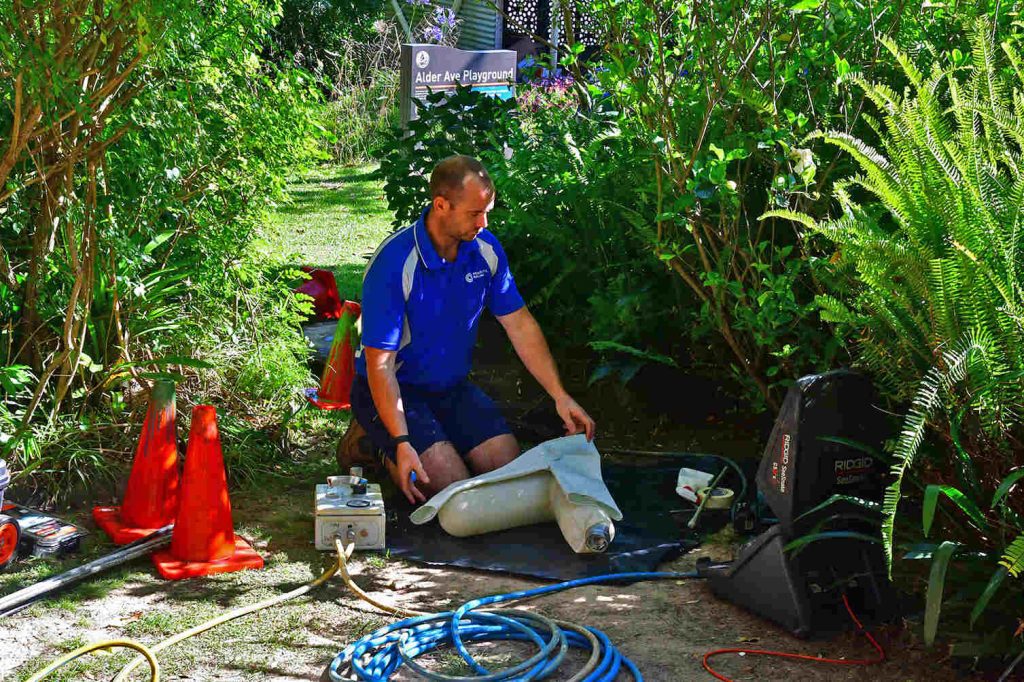
A flexible liner, thoroughly soaked in a robust epoxy resin, is prepared to match the pipe’s dimensions. Using a specialised machine, the liner is turned inside out (or “inverted”) and introduced into the existing pipe. This inversion process presses the resin-coated side firmly against the interior pipe walls as the liner unrolls down the length of the pipe.
Once in position, the liner is cured—either with hot water, steam, or UV light—causing the resin to harden and form a strong, seamless new layer inside the old pipe. After curing, any branch connections or junctions are carefully reopened to restore full functionality. The result is a pipe that performs like new, all achieved without the mess and hassle of digging up your property.
What Are the Common Causes of Sewer Pipe Damage?
Just as no two pipes are exactly alike, the reasons they end up needing repair can vary widely. Over years of use—and in some cases, a fair bit of misuse—even the sturdiest underground pipes can fall victim to a handful of all-too-common culprits:
- Blockages and Foreign Objects: Everyday items flushed down toilets or rinsed down sinks—think wipes, sanitary products, fat, and cooking grease—are notorious offenders. These materials can gather and build up over time, causing obstructions that eventually put extra stress on the pipe walls, sometimes resulting in cracks or full-blown breaks.
- Tree Root Invasion: Still holding the title of Sydney’s ultimate underground troublemaker, tree roots actively seek out moisture and can sneak through tiny cracks or loose joints in search of water. Once inside, they expand and block the pipe, sometimes completely halting flow and even splitting the pipe apart as they grow.
- Shifting and Joint Failures: Our city’s famously clay-heavy soil, combined with regular ground movement from rain and vehicle traffic, can cause drain joints to separate or move out of alignment. When gaps appear at pipe joints, water escapes, causing erosion that leads pipes to sag, shift, or collapse.
- Old Age and Deterioration: Even pipes made from tough materials like cast iron or clay aren’t immune to Mother Nature and Father Time. Years of constant use slowly eat away at the pipe’s interior, making them more likely to corrode, crack, or simply give way, especially as they reach the end of their expected lifespan.
No matter which of these issues has come knocking under your property, recognising the warning signs early can help you act before extensive (and expensive) repairs are needed.
This process can be performed on pipes of various sizes and materials, including cast iron, clay, concrete, and PVC.
Is Sewer Pipe Relining Suitable for Pipes with Bends and Junctions?
Absolutely. One of the standout strengths of modern sewer pipe relining is its versatility, particularly when it comes to pipes with bends, junctions, and non-standard configurations.
Whether your pipelines are straight as an arrow or featuring multiple twists and connections (which is common in older Sydney homes), trenchless relining methods can adapt to fit. Flexible, resin-impregnated liners—like those used in leading systems such as Brawoliner—are specially engineered to navigate around curves, tight angles, and various kinds of junctions without compromising the integrity of the repair.
This capacity means relining is not limited to simple, straight runs. It works effectively for:
- Pipes with multiple bends or connections
- Junctions and branches within drainage systems
- Variable pipe diameters (typically from 40mm up to 1350mm)
- Sewer, stormwater, and other utility pipes made from materials such as PVC, clay, cast iron, or concrete
Thanks to this adaptability, homeowners and property managers can enjoy a robust, long-term solution, even in complex situations. Relined pipes frequently last upwards of 50 years, so constant repairs for recurring blockages or cracks can finally become a thing of the past.
What Types of Pipes and Drains Can Be Relined?
One of the standout features of sewer relining is its remarkable versatility. This method isn’t limited by the age or material of your pipes, making it suitable for a wide range of applications across Sydney’s diverse plumbing infrastructure.
Whether you’re dealing with residential drains or commercial sewer mains, pipe relining is compatible with most materials commonly found underground, such as:
- PVC
- Cast iron
- Clay
- Concrete
- Steel
- Fibreglass
Even if your plumbing system features tight bends, multiple junctions, or varying pipe diameters—as small as 40mm or as wide as 1350mm—relining can often be adapted to fit the challenge.
Both sewer and stormwater drains are candidates for this trenchless repair technique, so most blocked, cracked, or leaking pipes beneath homes, driveways, or commercial sites can be addressed without messy excavation.
Pipe Patching: Targeted Repairs for Localised Damage
Pipe patching is another trenchless technique designed for situations where only a small section of the pipe is damaged.
Instead of lining the entire length of the pipe, plumbers use a resin-soaked patch combined with an inflatable device—often called a DrainPacker—to position the patch precisely over the affected area. The device expands, pressing the patch against the inner wall of the pipe. After the resin cures, a seamless, durable repair is left behind.
This targeted approach means you can address isolated cracks or breaks with minimal fuss, all without digging up your property.
How Are Blockages in Drains Removed?
Before any relining work begins, the first priority is to ensure the pipe is clear of obstructions. Clearing blockages typically involves using specialised equipment, tailored to the nature of the clog.
- High-Pressure Water Jetting: This powerful tool blasts pressurised water through the pipe, breaking up and flushing away debris, grease, or food waste that may be causing the stoppage.
- Mechanical or Robotic Cutters: For stubborn blockages like invasive tree roots or solid objects, advanced cutting tools are used to break up and remove obstructions without damaging the original pipe.
By effectively removing blockages upfront, technicians create the clean environment required for a successful relining, ensuring the new pipe lining adheres and cures properly.
How to Spot a Burst Pipe in Your Sydney Home
A burst pipe rarely announces itself with a flourish—unless you count unexpected indoor waterfalls. Still, there are telltale indicators homeowners shouldn’t ignore:
- Unexplained Water Bills
If your bill suddenly spikes, but your daily routines haven’t changed, a hidden leak could be the culprit. - Damp or Discoloured Walls and Floors
Notice any patches, bubbling paint, or odd stains? Moisture from a burst pipe can seep into floors and walls, causing these signs. - Musty Odours
Persistent dampness often leads to mould and that unmistakable “old basement” smell. - Water Pressure Drops
A noticeable reduction in water pressure—especially if it affects more than one fixture—might suggest a breach in the line. - Unusual Puddles or Pools
Standing water around your property, even when it hasn’t rained, is a classic red flag. - Strange Noises
Gurgling, hissing, or banging noises when you turn on the tap may indicate air or water escaping from an unexpected place. - Sound of Running Water, Even When Taps Are Off
If you can hear water moving when every tap is closed, it’s time to investigate.
Ignoring these clues invites water damage, higher repair costs, and quite a headache. Early detection makes all the difference—so staying alert can save both your home and your wallet.
Advantages Over Traditional Methods
Traditional pipe repair methods typically require digging up large sections of land to access and replace the damaged pipes.
This approach is not only time-consuming and costly but also causes significant disruption to the environment and daily life. In contrast, sewer pipe relining offers several compelling advantages:
- Minimal Disruption
Sewer relining is less intrusive, requiring only small access points. This means less noise, less traffic disruption, and no need to destroy landscaping or structures.
- Cost-Effectiveness
Although the initial sewer pipe relining cost may be similar to traditional methods, sewer relining is more economical in the long run. It reduces the need for extensive excavation, restoration, and associated costs.
- Time Efficiency
A sewer relining job can often be completed in a single day, whereas traditional methods may take weeks.
- Durability
The materials used in sewer relining, typically epoxy or polyester resins, are highly durable and resistant to corrosion, increasing the lifespan of the pipes.
- Environmental Impact
By avoiding large-scale excavations, sewer relining significantly reduces the carbon footprint of pipe repair.
Technological Innovations in Sewer Pipe Relining
The sewer relining industry is continuously evolving, with new technologies enhancing its effectiveness. Some of the latest innovations include:
These systems use ultraviolet light to cure the lining, speeding up the process and reducing energy consumption.
- Robotics
Advanced robotic systems are being used for more precise installation and curing of liners, especially in complex pipe networks.
- Smart Monitoring
The use of smart sensors and CCTV cameras for before and after inspections ensures the quality and effectiveness of the pipe relining services.
Impact on Urban Infrastructure
The adoption of sewer relining is having a significant impact on urban infrastructure management.
Cities are now able to maintain and repair their ageing sewer systems more effectively, with minimal disruption to residents and businesses.
This is particularly crucial in dense urban areas, where traditional excavation would cause major inconveniences.
Sewer relining represents a major leap forward in plumbing technology. Its benefits of minimal disruption, cost-effectiveness, durability, and reduced environmental impact make it a preferable choice for modern pipe repair needs.
As we continue to see advancements in this field, trenchless sewer pipe relining is set to become the standard method for sewer rehabilitation, ensuring efficient, sustainable, and resilient urban water systems for the future.
Sewer relining is not just a repair technique; it’s a testament to how innovative solutions can reshape our approach to urban infrastructure challenges.
If you’re facing sewer line issues, don’t wait for them to become bigger problems.
Contact Ready Set Reline today – the experts in sewer pipe relining in Sydney. Our team is equipped with the latest technology and backed by years of experience to ensure your plumbing needs are met with efficiency and professionalism.
Let us help you embrace the future of plumbing.
Are There Any Limitations to Sewer Pipe Relining?
While trenchless pipe relining is a game-changer for many pipe repair scenarios, it’s not a one-size-fits-all solution. There are certain conditions where this advanced method can’t be used effectively.
- Severely Collapsed or Missing Pipe Sections
If a portion of the pipe has completely collapsed or is missing significant sections, there simply isn’t enough structure for the lining material to adhere to. In these cases, traditional excavation and pipe replacement might be unavoidable.
- Extensive Structural Damage
Large gaps or heavy deformation can prevent the liner from curing properly, which might undermine the repair’s long-term performance.
- Pipe Material Compatibility
Although most common sewer and stormwater pipes—such as PVC, clay, or cast iron—are great candidates for relining, extremely old or unconventional materials may present challenges.
- Accessibility Constraints
Very sharp bends, extreme diameter changes, or non-standard pipe configurations can occasionally restrict the use of lining technologies.
Still, it’s worth noting that most homes and businesses find trenchless repairs are possible—and highly effective. If you’re unsure whether your system qualifies, don’t hesitate to reach out for a professional assessment. Our experienced team can inspect your pipes and advise on the best way forward, ensuring you get the most efficient and sustainable solution for your plumbing needs.
FAQs
Typically, our sewer relining process can be completed within a day, depending on the complexity and length of the pipe. We strive to minimise disruption and get your plumbing back to optimal condition as quickly as possible.
Absolutely. Our sewer relining solutions are designed to extend the life of your pipes for decades, offering a durable and reliable alternative to traditional pipe replacement.
Our focus on using the latest trenchless technology sets us apart. This approach, combined with our commitment to customer satisfaction and over 15 years of industry experience, ensures that we provide a comprehensive solution for your plumbing needs.
