The Problem
A 375mm concrete stormwater line running alongside a Gordon unit block had cracked, and water was escaping into the ground around it.
Stormwater failures of this kind don’t announce themselves the way a blocked sewer does. There’s no smell and no backup inside the units. What the owners had instead was water going somewhere it shouldn’t — saturating ground next to a residential building, undermining what sits above it, and getting worse with every heavy rain the North Shore gets through winter.
The line was the building’s primary stormwater run. Digging it up meant tearing through the driveway and the ground beside an occupied building, on a site where residents needed to get their cars in and out every day.
What we found
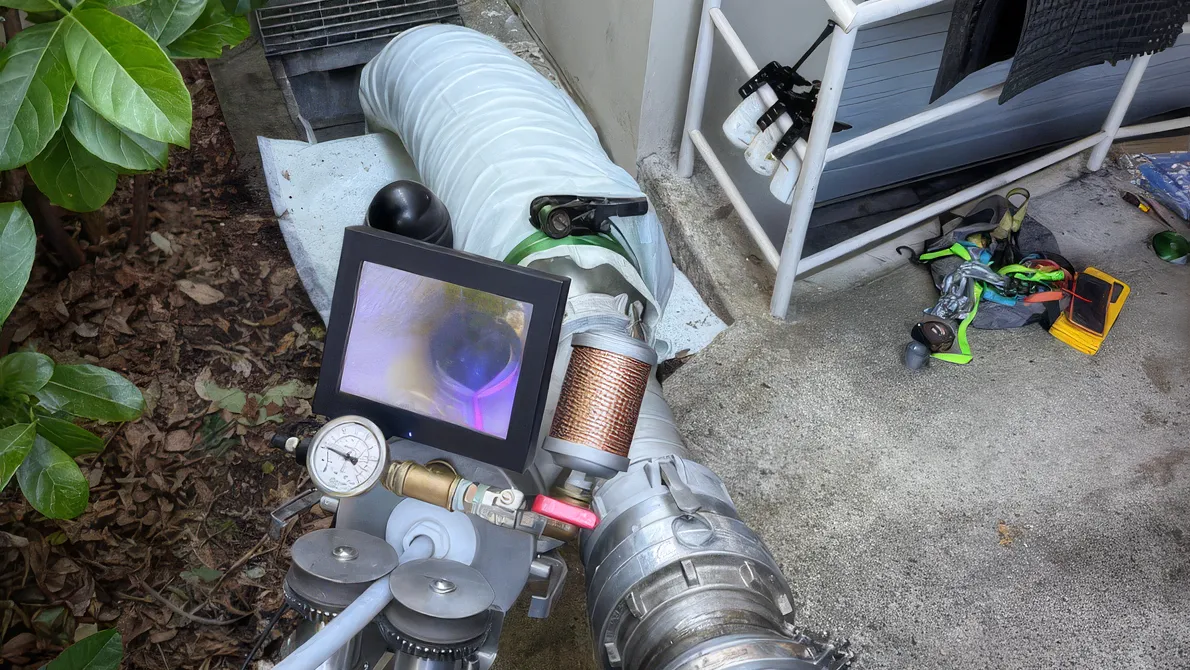
We inspected the full run with a CCTV camera before quoting.
The footage showed cracking through the length of the pipe with the joints opened up — enough deformation to explain the water loss, but the pipe still held its line and its shape. That’s the distinction that decides everything on a job like this. A stormwater pipe that has lost structural form has to come out. One that is cracked but intact can take a liner.
At 375mm this was also a large-diameter job. Plenty of relining outfits in Sydney can’t go past 225mm, which is often why owners get quoted for excavation on stormwater when relining would have done the job.
How we fixed it
Twenty-five metres of UV pipe relining, start to finish, in one day.
1. Site assessment. We walked the stormwater layout to identify the failure points and work out where the liner could be launched from, without needing to open the ground.
2. CCTV inspection. A high-resolution camera run through the full 25 metres, mapping the exact position and extent of every crack.
3. Cleaning and preparation. High-pressure water jetting to clear silt, debris and build-up off the internal surface. On concrete stormwater this step matters more than most people expect — the liner bonds to what’s underneath it, and anything left in the pipe becomes a weak point.
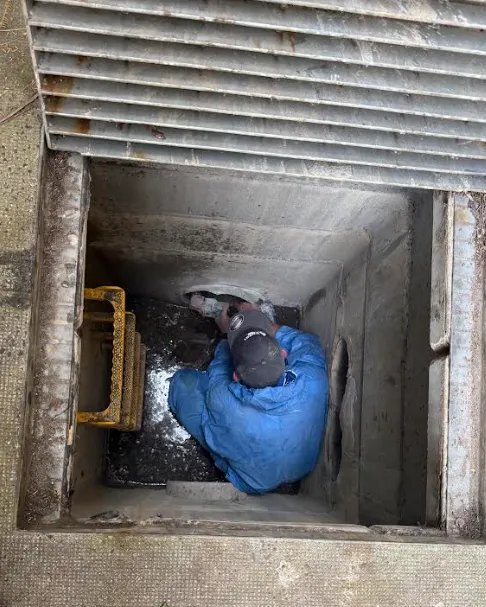
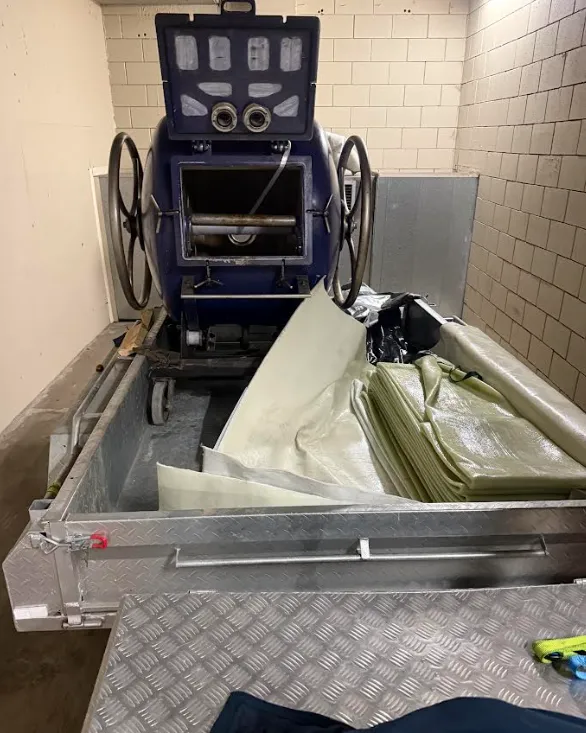
4. Liner installation and UV curing. A fibreglass liner impregnated with UV resin was drawn into position across the full run. A UV light train was passed through to cure it in place, forming a new jointless pipe inside the old concrete one.
5. Post-installation inspection. A second camera run to confirm the liner cured evenly across all 25 metres and that flow was clear end to end.
6. Documentation and handover. Before-and-after footage and a written report of the work, handed to the owners.
7. Site clear-down. Equipment out, site left as we found it.
The challenges
The pipe ran beside a live residential building with one way in and out.
The driveway and garage entry had to stay open for the entire job, residents still needed to leave for work and come home. That ruled out staging equipment anywhere convenient and meant working within a footprint that never blocked vehicle access, on a site with people moving through it all day.
Compressing the work into a single day was the answer. One day of disruption beats a fortnight of it, and it’s only possible because nothing had to be dug up.
The result
Twenty-five metres of stormwater line sealed and back to full flow, in one day, with the driveway open the whole time.
- No excavation. The driveway, the garden beds and the ground beside the building were never opened.
- No disruption to residents. Vehicle access was maintained throughout.
- Every leaking joint sealed. Water is going where it’s meant to go instead of into the ground beside the building.
- Verified on camera. Owners received before-and-after footage and a written report.
- Covered by a 50-year installation warranty on the liner.
- Follow-up CCTV inspections included at no charge.
The relined pipe is jointless and won’t crack along the seams the way the original concrete did.
What it means if you have the same problem
Cracked stormwater lines beside residential buildings are common on the North Shore, and they’re usually found late, often only after the ground starts moving or a wall shows damage.
If you’ve been quoted for excavation, get the line inspected before you agree to it. Diameter is rarely the obstacle people are told it is, this job was 375mm, and it was relined without breaking ground. What actually decides it is whether the pipe still holds its shape, and the only way to know is to put a camera through it.
We inspect and quote free, so give us a call today!