



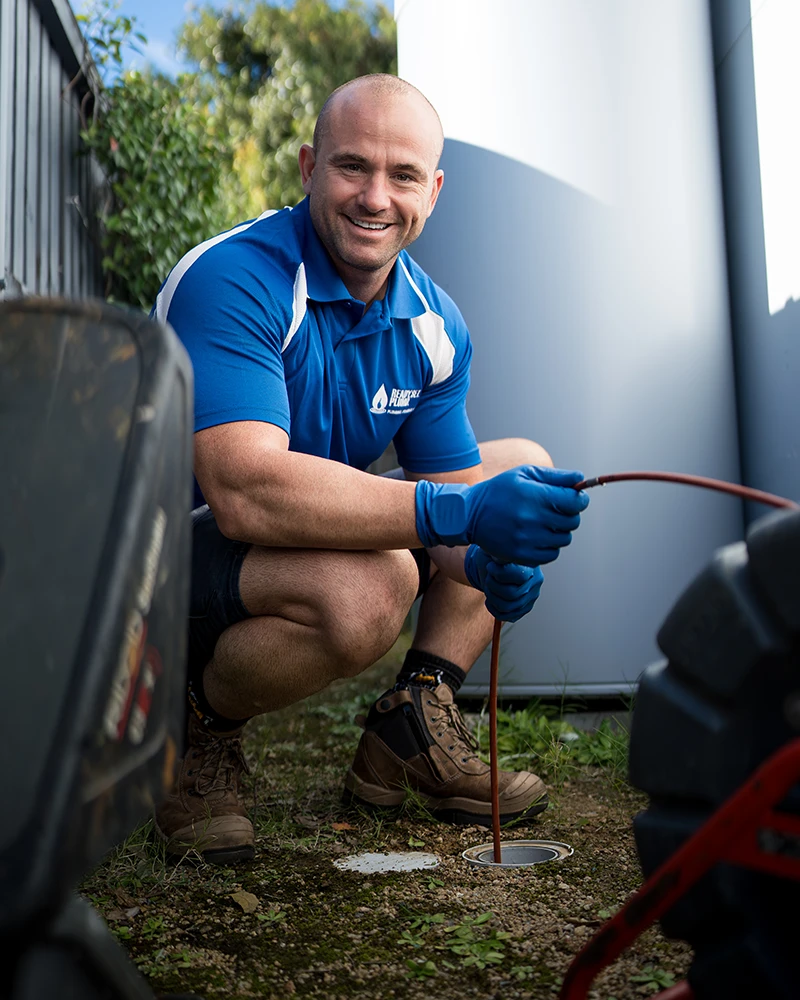

Ready Set Reline is a drainage specialist based in Roseville on Sydney’s North Shore. We’re pipe repair specialists who also clear drains. So when a drain keeps blocking, we can tell you exactly what’s causing it and fix that, not just the symptom. We diagnose and repair with the same crew, so nothing gets handed to a subcontractor and nothing gets dug up because digging was the only option on the truck.
What is it?
What is high-pressure drain cleaning?
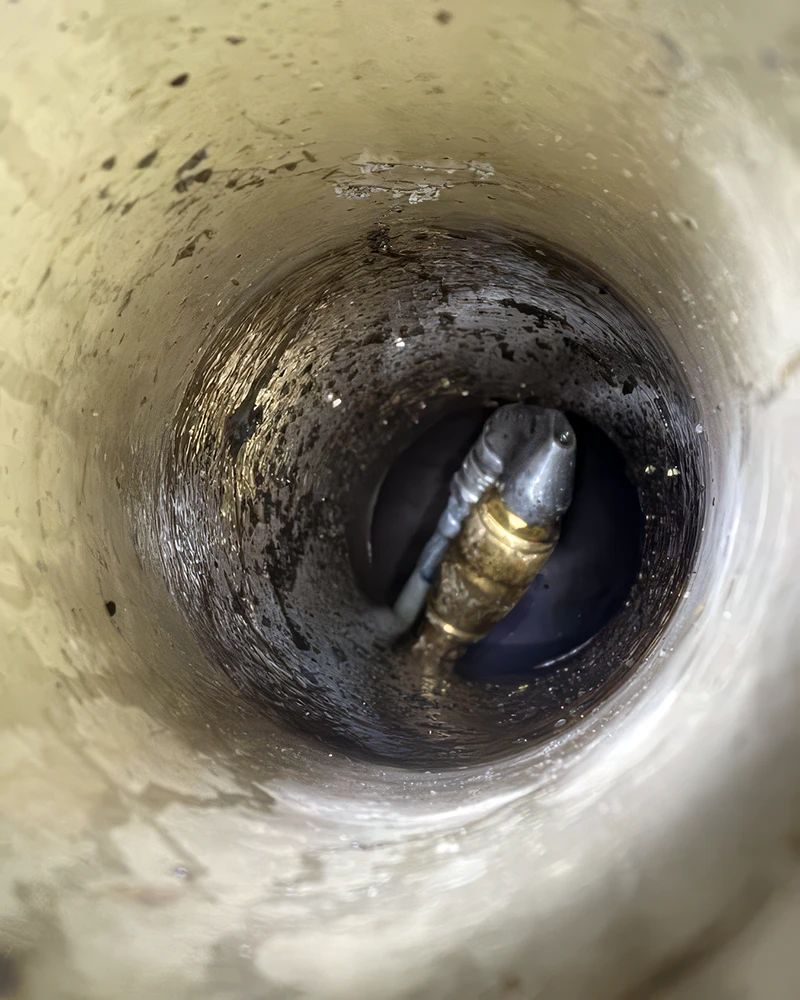
High-pressure drain cleaning, also called hydro jetting or water jetting, clears blocked drains using pressurised water delivered through a specialised nozzle inserted into the pipe. The jet cuts through grease, silt, soap scum, sludge, debris and tree roots, and scours the pipe wall clean rather than just punching a hole through the blockage. No chemicals are used, and nothing rigid or rotating goes into the pipe.
The nozzle sprays backwards, forwards, or both, so it pulls itself along the pipe and flushes debris back toward the access point. That’s why jetting restores a drain’s full flow capacity, where a mechanical tool typically clears only a narrow channel and leaves the rest of the build-up in place.
How much does drain cleaning cost in Sydney?
A straightforward blocked drain, a kitchen sink, toilet or basin blocked with grease, hair or debris, reachable from an accessible point, typically runs $280 to $800.
A main sewer or stormwater line blockage needing high-pressure jetting usually falls between $360 – $800 plus GST per hour, depending on how far in the blockage sits and how long the jetting takes.
Blockages involving tree roots or hard obstructions cost more, because clearing them takes longer and may need robotic cutting rather than water alone. Expect $1500 and up.
What pushes the price up: difficult access, depth, distance from the access point, root masses, concrete or foreign objects, and after-hours or emergency call-outs.
Water Jetting vs Electrical Eel (and why we don’t use Eels)
Plenty of Sydney plumbers still clear drains with an electric eel, a rotating metal cable pushed down the pipe. It’s cheaper equipment, and it’s often the wrong tool.
| Factor | High-pressure water jetting | Electric eel |
|---|---|---|
| How it works | Pressurised water scours the pipe | A rotating metal head bores through |
| Result | Full pipe diameter cleaned | A hole punched through the blockage |
| Grease and sludge | Flushed away completely | Largely left on the pipe wall |
| Fine tree roots | Cut and flushed out | Torn, often pushed further in |
| Residue left in pipe | None | Debris remains, so it reblocks sooner |
| Risk to the pipe | Low — no rigid contact | Metal head can strike and crack older pipe |
| Best suited to | Almost all blockages | Very limited situations |
The practical difference, an eel punches a channel through a blockage so water flows again, but the build-up stays on the pipe wall and the drain blocks again sooner. It can also push the obstruction deeper. In older clay or earthenware pipe, which is most of Sydney’s established suburbs, an aggressive rotating head knocking against the wall risks cracking a pipe that was structurally sound before the plumber arrived.
A word on chemical drain cleaners, supermarket products rarely shift a real blockage, and the caustic ones can corrode older pipework and damage seals. Plungers and rods used on a main-line blockage often push the obstruction further down, turning an easy job into a harder one. If a drain has blocked properly, chemicals are almost always money wasted. For a slow shower, though, a few minutes with a drain snake usually does it. Here’s how to clear a blocked shower drain yourself.
Local Knowledge
Blocked Stormwater drains after Sydney rain
Stormwater blockages spike after heavy rain, and Sydney gets plenty of it. Downpipes and surface drains fill with leaves, silt and roof debris; the volume of water pushes it all into the line at once; and anything already narrowing the pipe turns into a full blockage.
The signs: water pooling around downpipes or in the yard, overflowing gutters despite clear gutters, water running back toward the house, soggy ground that won’t dry out, or a surface drain that visibly backs up mid-storm.
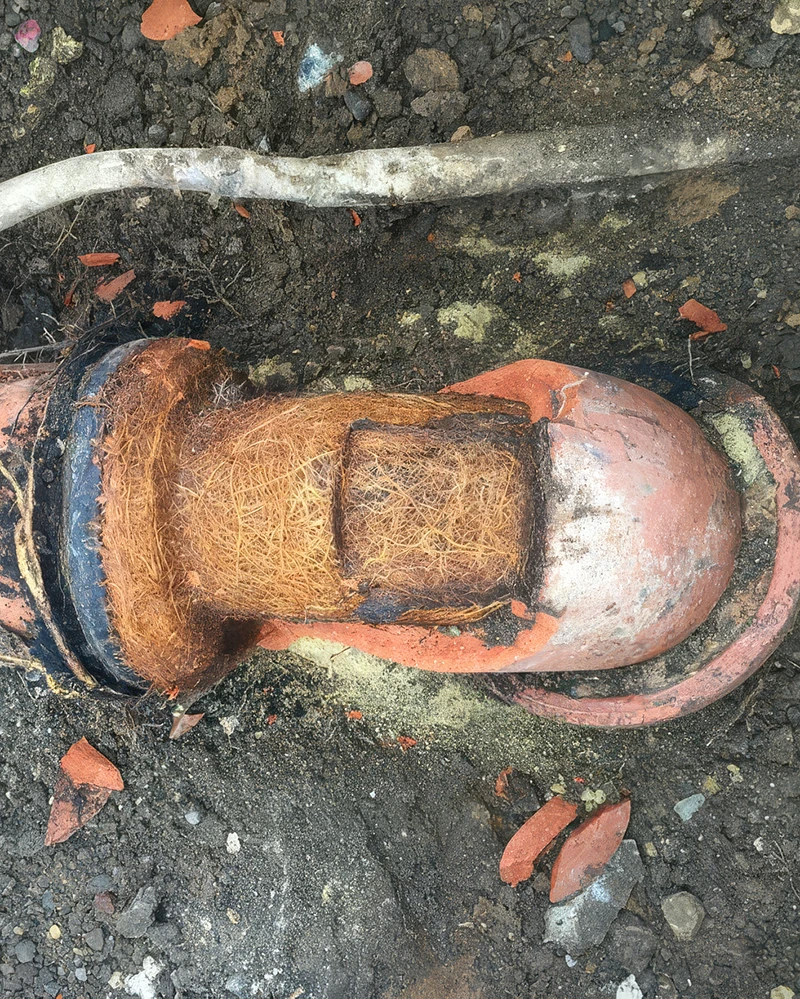
It matters more than it looks. Stormwater that can’t escape pools against foundations, saturates footings and finds its way into subfloors and garages. And in Sydney’s leafy suburbs the same mature trees that drop debris into your gutters are sending roots toward your stormwater line.
We clear blocked stormwater drains, surface drains, downpipe connections and charged lines, and inspect on camera to confirm whether the blockage was debris or something structural.
If it’s just a pit full of leaves, here’s how to clear a blocked stormwater drain yourself.
Step-by-Step
Our Drain Cleaning Process
Free call-out and assessment
We turn up, look at the symptoms and identify the likely access point. No charge to attend.
CCTV inspection
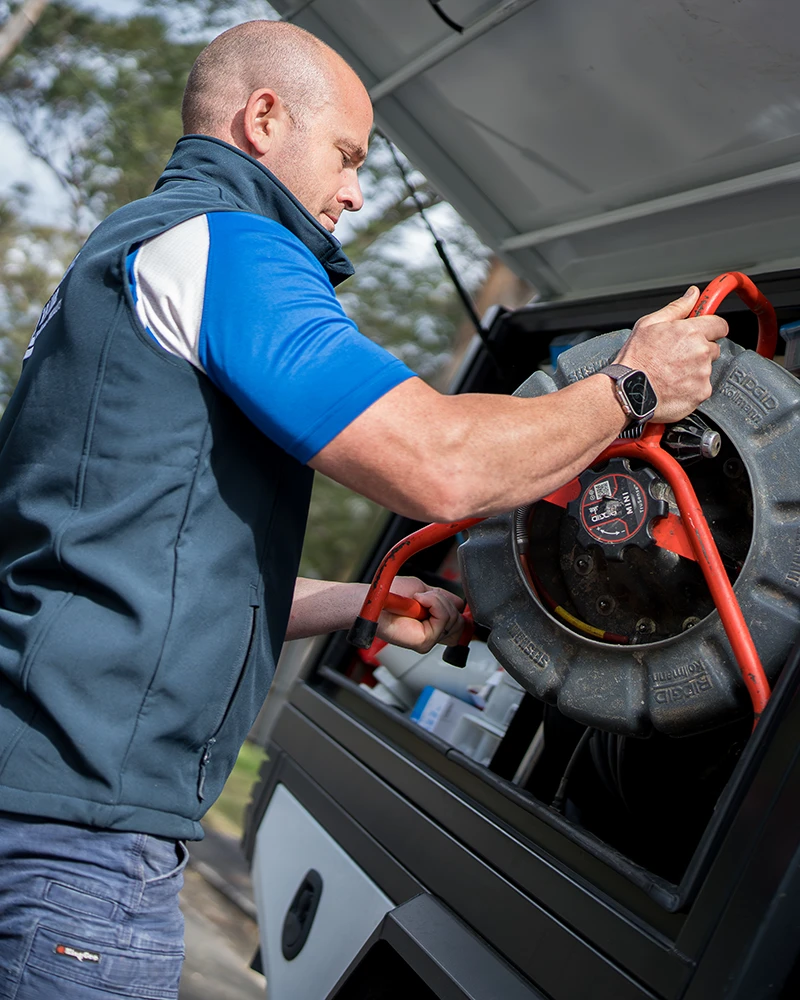
A drain camera locates the blockage, identifies what it’s made of and checks the pipe’s condition, so we use the right method rather than guessing.
Fixed written quote
One price agreed before we start. No surprises.
High-pressure jetting
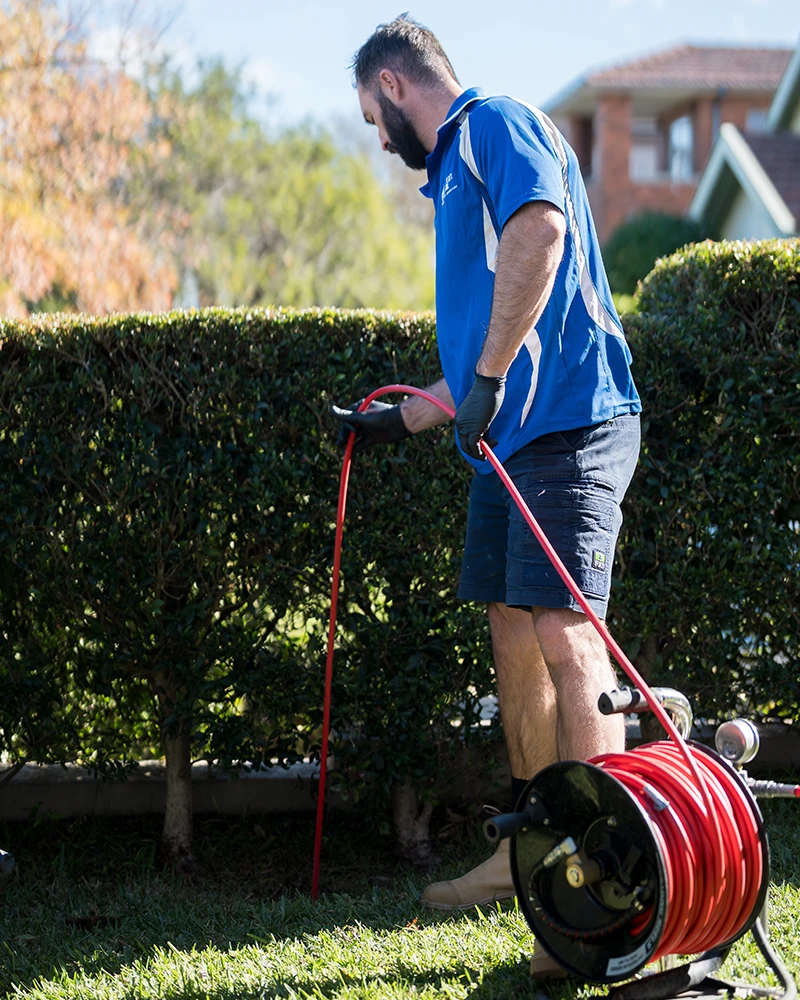
We select the nozzle suited to the blockage and pipe material, then jet the line clear, cutting through grease, silt, debris and roots, and scouring the pipe wall.
Hard obstructions removed
If the camera finds concrete, steel, timber or thick roots, we bring in robotic cutting, since water alone won’t shift them.
Final camera check and honest report
A second inspection confirms the drain is clear and shows the pipe’s condition. You get the footage, and a straight answer on whether it needs repair or not.


Causes
If the same drain keeps blocking, cleaning isn’t the fix
Once is bad luck. Twice in a year means something in the pipe is holding debris back, and every clear is buying you a few months. The usual causes:
The first two are structural. No amount of cleaning fixes them, which is why a plumber who only clears drains will keep clearing the same one.
That’s the reason we inspect on camera after every clear rather than packing up and leaving. If the pipe’s damaged you’ll see the damage yourself, and you can weigh up another round of call-outs against sealing the section once. If the pipe’s sound, we’ll tell you that too. Plenty of drains block once and never again.
Is High-Pressure cleaning safe for my pipes?
In sound pipe, yes, jetting is the gentlest effective method available, because nothing rigid or rotating touches the pipe wall. It’s safe in PVC, copper, cast iron, concrete, clay and earthenware.
The caveat is honest, if a pipe is already badly cracked or severely corroded, high-pressure water can worsen existing damage. The jetter could become stuck if there is a bad crack or a collapsed section of pipe. If this happens, we need to dig the pipe up and replace it. Sydney homes built before the 1970s commonly have clay, earthenware or galvanised iron drainage, and those materials crack as reactive clay soils shift. If yours is in poor condition, we’ll say so and recommend repair rather than blasting a failing pipe and hoping.
Pipe pressure is also matched to material and condition, a fragile old earthenware line isn’t jetted at the same pressure as a modern PVC stormwater main.
Service Area
Suburbs we serve across Sydney
Ready Set Reline is based in Roseville and delivers pipe relining services right across Sydney. We work daily through the North Shore, Lower North Shore, Northern Beaches, Eastern Suburbs, Inner West, Hills District and the CBD.
These are exactly the areas where pipe relining earns its keep. Sydney’s established suburbs are full of pre-war homes on leafy streets, where original earthenware and clay drains sit under mature trees, heritage gardens and paved driveways. Digging is expensive and often restricted, relining from the inside is not.